
Shopofkorea guides
A Silk Ochim Notebook as an Exchange-Student Farewell Gift
Official product names are shown in Korean. Product pages are in Korean; prices are in South Korean won (KRW).
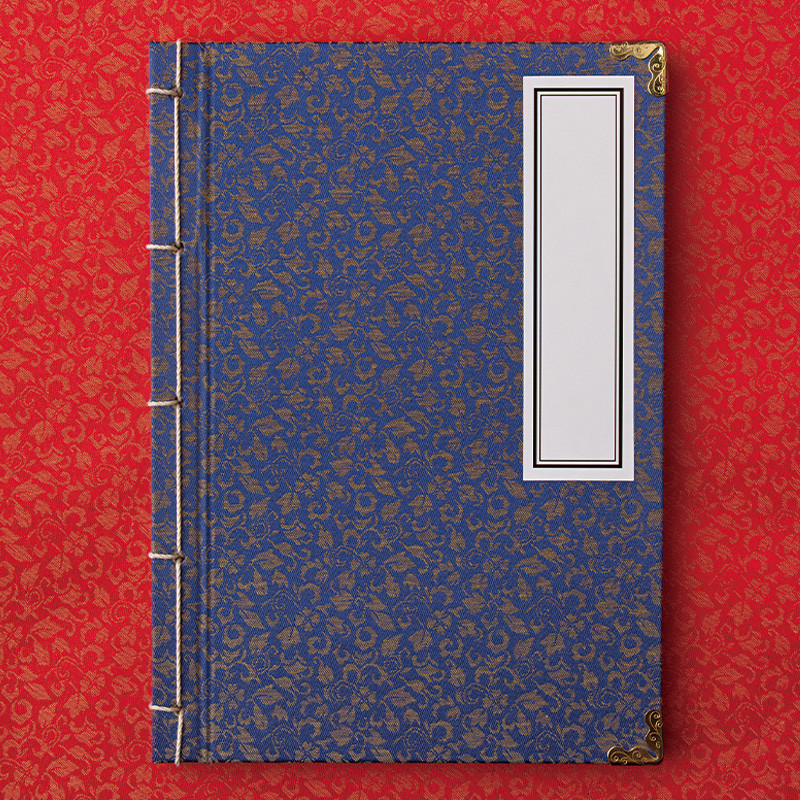
For a buyer about to return home after an exchange semester, a farewell gift must convey gratitude while remaining something five friends can receive without feeling burdened. Stationery that carries a distinctly Korean impression and can be used in everyday life comes close to meeting those conditions. The item that emerges as a candidate in this situation is the '비단으로 만든 전통 오침노트-청색' (Traditional Silk Ochim Notebook – Blue).
However, one should not assume the materials or paper simply from the name alone. Whether there are real reactions from foreign friends who received it, how to distribute it among five people, and whether anything differs from expectations — each of these points must be checked in order before the decision becomes clear.
How to Share the Same Feeling with Five People
The buyer is preparing farewell gestures for five friends they met frequently during the exchange semester. Giving everyone the same type of gift conveys gratitude evenly, but there is a nagging concern that it may look overly uniform. On the other hand, choosing a different item for each person preserves a personal touch but makes the preparation process more complicated.
In this situation, a traditional notebook is an option that allows one to examine both unity and difference within a single product category. The Shop of Korea editorial team interprets the fact that it remains a recording tool even after returning home as an advantage of this farewell gift candidate.
Checking Real Reactions from Foreign Friends Who Received It
The basis for keeping it among the top candidates is that there are actual reviews from cases where it was given to foreign friends. Among the reviews for '비단으로 만든 전통 오침노트-청색', there is a brief reaction that reads: "My foreign friend loved it so much. I recommend it." It is not possible to know who received it or under what circumstances, but at least one case is confirmed in which it was chosen as a gift for a foreign friend and received a positive response.

In a similar 전통오침노트-청색 line, there is also a review that says: "I bought it to give to a foreign friend, and they were truly moved. They said it's too precious to use." This is an example showing that even when chosen as practical stationery, the recipient may perceive it as something closer to a keepsake. However, since both reviews are individual experiences, they cannot be broadly interpreted to mean that every friend will react the same way.
'샵오브코리아 전통오침노트-청색' is a direct alternative to consider when preparing gifts for multiple people. Even though the names are similar, they are separate products, so it is safer to check the contents and detailed description of each before choosing.
Changing the Color Makes Each Gift Feel Individual
Instead of matching all five notebooks in the same blue, there is also the option of mixing in a red candidate from the same line. '비단으로 만든 전통 오침노트-적색' can be considered alongside the blue candidate, making it useful when you want to unify the nature of the gifts while distinguishing them by color. If you know the colors of accessories a friend typically uses or their personal preferences, simply dividing the choice between blue and red is enough to add a personal touch.
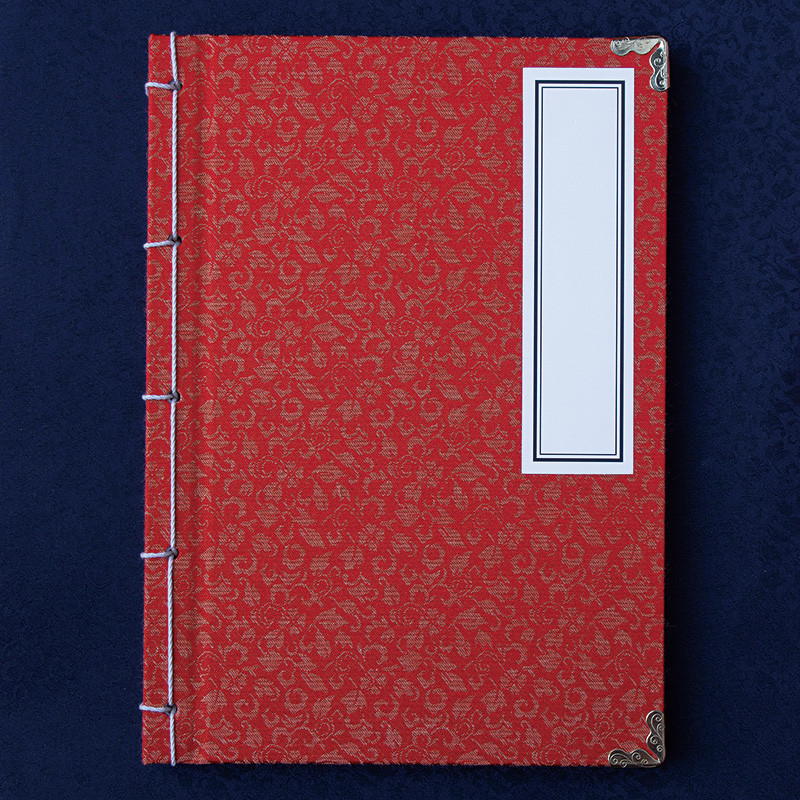
Choosing a color is, after all, a process of refining how the gift is delivered. If you do not know the preferences of all five people precisely, rather than forcing meaning onto the color, writing a short farewell message in each notebook individually and handing it over is a more natural way to reflect the differences in each relationship.
Assumptions About Materials Based on the Name Must Be Verified
Before finalizing a gift candidate, one should not take the words 'silk' and 'traditional' as definitive descriptions of the materials. Among actual purchase reviews, there is a comment that reads: "I bought it thinking it was traditional hanji (Korean mulberry paper), but it turns out it is not traditional hanji." This means that a traditional impression and the actual material of the paper are two separate things to evaluate.
Therefore, if the gift is intended for a friend who is specifically looking for a hanji notebook, the product's detailed information must be checked first. On the other hand, if the goal is to find stationery with a Korean aesthetic and a farewell keepsake, one can base the decision primarily on the product's traditional impression and the review cases in which it was well received by foreign friends.
There is sufficient reason to place this traditional notebook on the shortlist of farewell gifts for five friends. Positive reactions have been confirmed in actual cases of giving it, and combining blue and red allows for a sense of unity with subtle individual differences. That said, do not generalize one or two reviews as representing everyone's taste; confirm easily misunderstood points such as whether the paper is hanji, and then add a short personal message — that is what completes this choice.
If You Want to Compare a Broader Range of Products
The pages below link only to product categories that connect directly to the selection criteria in this article.
- 오침노트 (Ochim Notebooks) — You can browse the ochim notebook category directly, which broadens the decision-making process by allowing you to look at traditional notebooks similar to the main candidates.
- 유학/홈스테이/교환학생 선물 (Study Abroad / Homestay / Exchange Student Gifts) — You can further explore a range of products suited to farewell situations such as studying abroad, homestays, and exchange student programs.