Shopofkorea guides
A Guide to Choosing Korean Craft Souvenirs for Hotel and Reception Display
Official product names are shown in Korean. Product pages are in Korean; prices are in South Korean won (KRW).
Choosing souvenirs for a hotel lobby or reception area calls for a slightly broader perspective than simply picking attractive objects. The appropriate size, material, and role of a pattern will differ depending on whether guests are passing by from a distance, picking something up at the front desk, or receiving an explanation in a VIP lounge.
- For a wide lobby: decorative craft pieces whose Korean character reads from a distance
- For a reception desk: small, neat, easy-to-maintain practical accessories
- For a VIP lounge: a formal set whose materials and patterns can be briefly explained
- For serving international guests: symbols whose meaning is immediately apparent, such as hangeul, landscapes, and traditional patterns
In the lobby, a scene that reads from a distance comes first
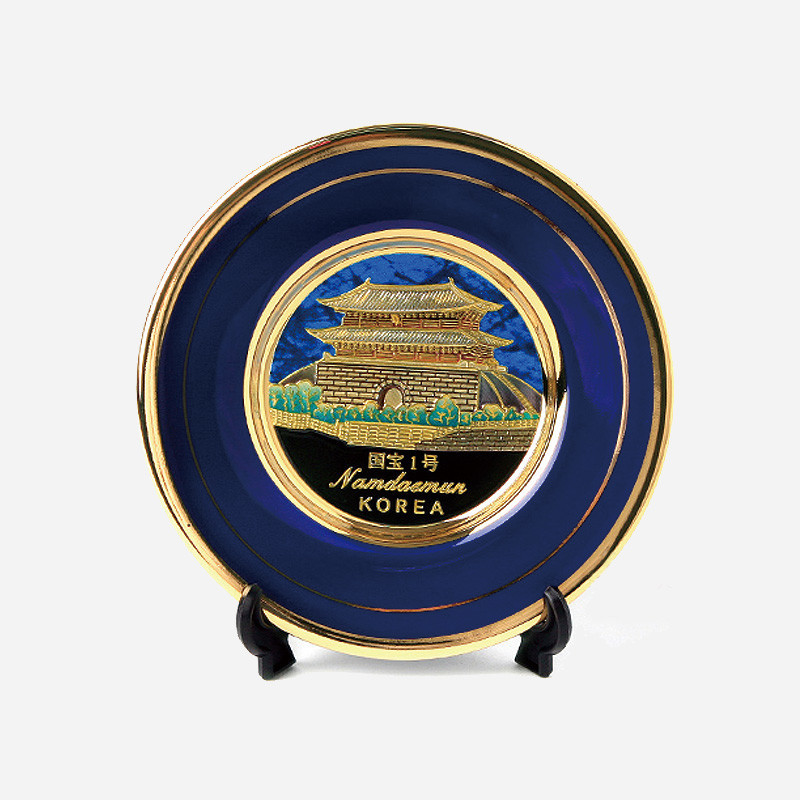
In spaces where guests linger only briefly—such as a wide lobby or an elevator hall—first impressions matter more than fine detail. In these settings, decorative souvenirs whose meaning is legible from afar, such as Korean landscapes, traditional architecture, or city imagery, are more reliable than small patterns. However, items made of glass or ceramic that carry a risk of breakage are better placed away from foot traffic—on wall shelves, behind the information counter, or inside a display case where they are less likely to be touched. For example, a type such as 주석장식패-한국풍경 (pewter decorative plaque – Korean landscape) is easy to regard as suitable for setting the atmosphere of a lobby, because it conveys a Korean scene at a glance.
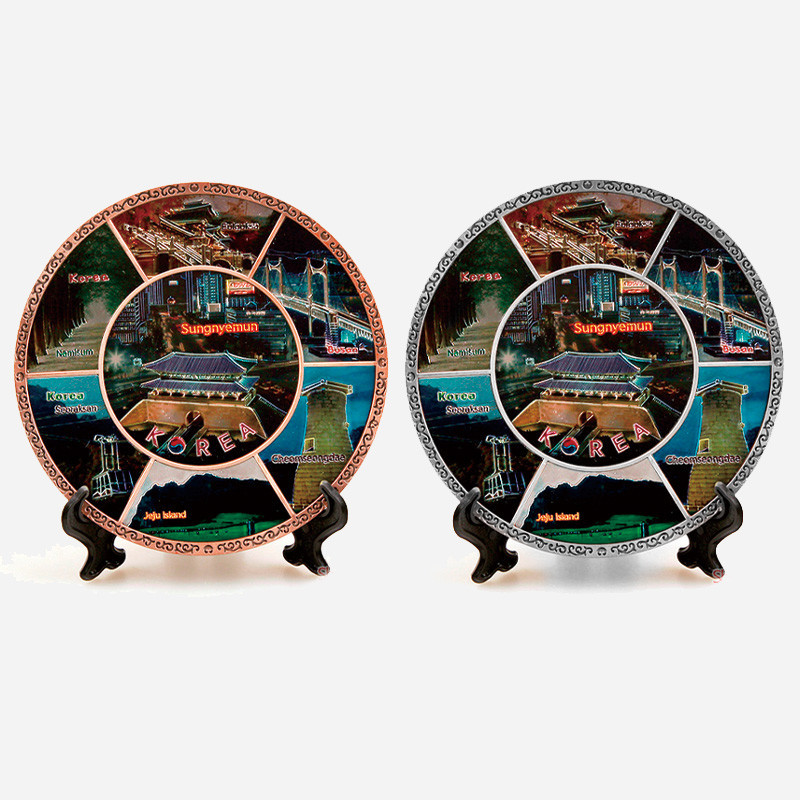
It is better to think of decorative items like these not as a single correct answer but as a reference point for defining the character of a space. In hotels with a high proportion of tourists, materials connected to the memory of a visit—such as Seoul scenery or cultural heritage imagery—feel natural, while in spaces frequented mainly by business guests, a neat metal or wood style that does not look too much like a souvenir shop is more fitting. It is also worth checking whether dust shows easily on the surface and whether lighting reflects off it in a way that obscures the pattern.
The reception desk calls for a neatness that feels comfortable even when touched
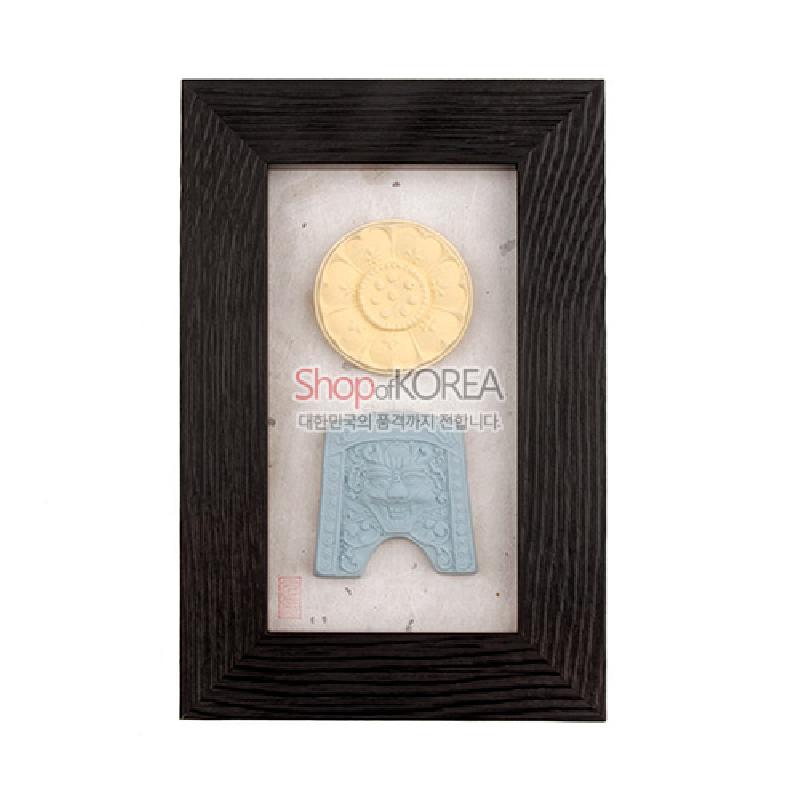
The reception desk and concierge area is a place where staff and guests face each other directly, so the size and tidiness of objects matters. In this space, small practical accessories that take up little room—such as business card holders, key rings, ballpoint pens, or small incense frames—suit the setting better than large decorative pieces. If there is a possibility of handing something directly to a guest, it is also worth checking whether the packaging is neat and easy to carry. As one review noted, it was possible to present something to international visitors without any awkwardness, and a simple item was able to leave a good impression—in reception souvenirs, the ease of the moment of handover often matters more than visual splendor.
That said, if incense-related accessories are to be placed on the desk, it is advisable to check the venue's operating guidelines first. Incense can create a Korean atmosphere, but if it does not align with guests' sensitivities or the hotel's scent-management policy, it may become a burden instead. Accessories that create atmosphere through texture alone—such as hanji (Korean traditional paper) or najeon (mother-of-pearl inlay)—have less environmental impact than scent or sound, making them good candidates for comparison.
In the VIP lounge, materials that can be explained create formality

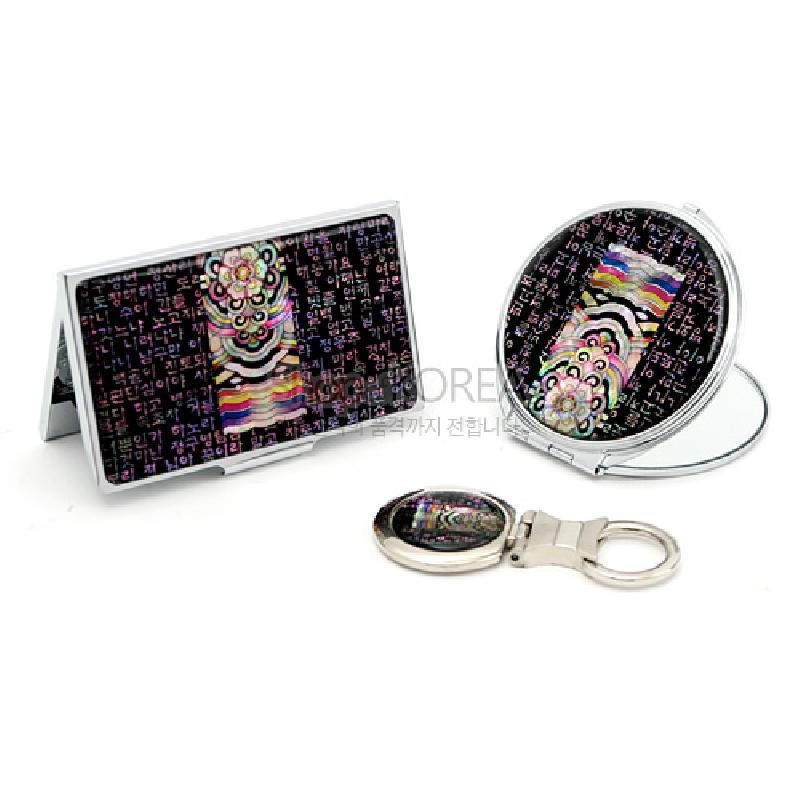
In a VIP lounge or executive meeting room, guests tend to look at objects more closely, and there are often moments when a staff member can offer a brief explanation. In these situations, items that allow the materials and meaning to be connected in words—such as najeon (mother-of-pearl inlay), sanggam (inlay work), the crane-and-cloud (unhak) pattern, or the jogakbo (patchwork) pattern—suit the setting better than simple decorations. For example, a type such as 명함케이스와 열쇠고리 볼펜 3종세트-조각보 (business card case and key ring ballpoint pen 3-piece set – jogakbo) is a practical accessory that also displays a traditional pattern, making it unobtrusive for business visitors. As one review noted, when prepared as a gift for a buyer, the packaging was clean and formal enough to hand over immediately—in hotel hospitality, the condition of the packaging and the completeness of the presentation are also selection criteria.
For set-style accessories of this kind, it is important to decide first whether they are intended for display in the lounge or as gifts to be actually handed over. If for display, the material's ability to resist looking worn after repeated exposure and the method of storage are important; if for handover, a size that guests can easily take to their room or carry home is more important. Patterns such as jogakbo, dancheong (traditional multicolored paintwork), and songhak (pine-and-crane) leave a Korean impression without requiring a lengthy explanation, making them particularly unproblematic for serving international guests.
For formal hospitality, storability and symbolic value are considered together
At slightly more official touchpoints—such as a hotel opening commemoration, a thank-you gesture for a long-stay VIP, or a visit from an overseas partner—a set-style craft piece may suit the occasion better than a single accessory. In these cases, what matters is not size or visual impact but whether the item is easy to store and whether the material and pattern appear composed when taken out and examined. For example, a type such as 상감 자동함 3종-운학 (sanggam automatic box set of 3 – crane-and-cloud pattern) can convey both the practicality of a storage box and the symbolic quality of a traditional pattern, making it a candidate suited to formal hospitality settings. However, because set-style items tend to be bulky, the guest's travel itinerary, the method of room delivery, and the space available for storing packaged items must all be considered together.
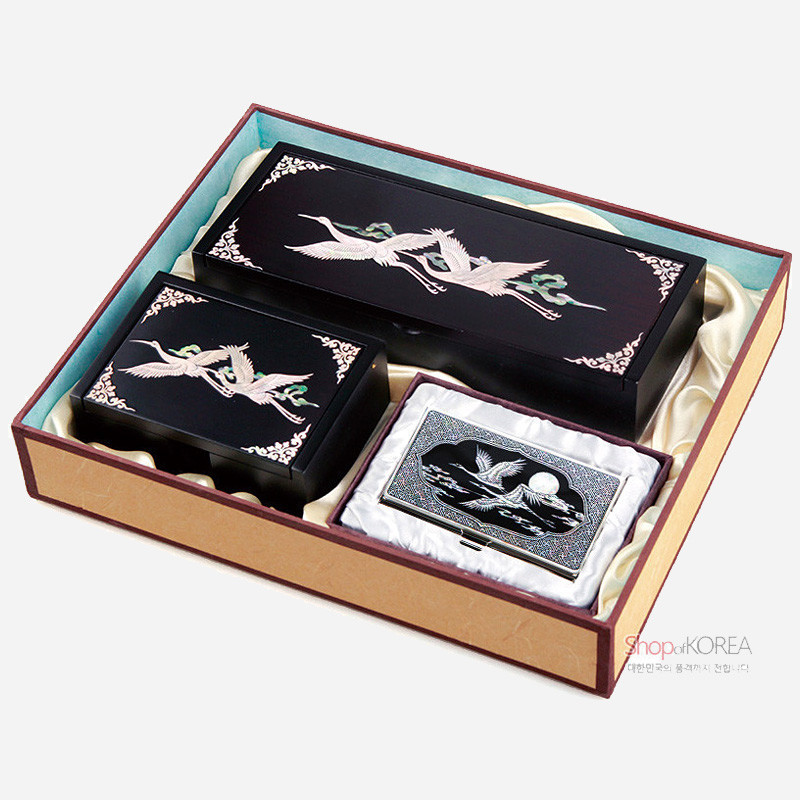
Patterns such as unhak (crane and cloud), songhak (pine and crane), and lotus carry auspicious imagery and pair well with an atmosphere of gratitude and welcome. In a hotel setting, however, it is more natural to prepare one or two sentences that the recipient can understand immediately, rather than offering a lengthy explanation of a pattern's meaning. In a reception environment where staff must repeat the same explanation many times, a type that can be introduced briefly—such as "a storage accessory featuring traditional Korean patterns"—is more practical to operate than one requiring a complex craft explanation.
The products at the end are additional candidates to compare within the same space
The products cited as examples in the main text serve as reference points for understanding the contexts of a hotel lobby, reception desk, and VIP lounge. The related products at the end are not a list that has been explained in full detail in the main text; they are best regarded as additional candidates that can be compared alongside one another within the same guest-facing space. If the space is large, prioritize viewing distance and decorative quality; if there is a possibility of handing something directly to a guest, prioritize portability and packaging; and if the occasion is formal, prioritize the explainability of the material and pattern—approaching the comparison in this way will make the selection considerably clearer.