Shopofkorea guides
How to Choose a Korean Tea Ware Gift That Conveys Korean Tea Culture
Official product names are shown in Korean. Product pages are in Korean; prices are in South Korean won (KRW).
When choosing a Korean tea ware gift that embodies Korean tea culture, the first thing you tend to notice is whether the traditional patterns are attractive — but in practice, what matters more is how often the recipient drinks tea, whether they drink alone or share with others, and whether the occasion is personal or formal. Because a tea set is both a visually appealing souvenir and an object with a clear intended use, it is better to choose a configuration the recipient can bring out and use without feeling any pressure.
- For an acquaintance who drinks tea frequently: prioritize the number of cups and how comfortable they feel in the hand
- For a foreign guest: prioritize Korean-style patterns and a configuration that is easy to explain
- For a business or thank-you gift: prioritize storability, formality, and a sense of stability at the moment of presentation
- If you are unsure of the recipient's tea preferences: prioritize versatile forms such as a mug-style set or a 2-person configuration
When you can picture a scene of sharing tea together, the configuration comes into view
If the recipient enjoys tea and it feels natural to imagine them drinking it with someone at home or in the office, a 2- or 3-person configuration helps reduce any sense of pressure. Rather than a cup tailored to a single person, it creates "a setting where tea can be shared," which allows the meaning of the gift to come across a little more gently. However, the more cups are included, the more storage space is required, so if the recipient's living space is not large or they move around frequently, a compact configuration is better than an overly large set.
For example, a 3-person dagi (다기, Korean tea ware) configuration is a type well suited to presenting alongside an explanation of Korean tea culture to a foreign guest or acquaintance. Celadon-style traditional patterns give a Korean impression while remaining calm, making them a good fit when you want to avoid an overly decorative gift. Sets like this are not only for people with specific experience in dado (다도, the Korean tea ceremony); they are also easy to understand as something for serving tea when receiving guests.

When choosing this type, it is worth also asking yourself, "Will the recipient actually be able to brew and drink tea with this?" Someone who drinks tea frequently may be delighted by a dagi configuration, but someone who more often drinks coffee or ordinary beverages may reach for it less. In that case, a cup-centered configuration or a mug-style dagi with a lower barrier to use is more natural than a formal tea set.
For a formal occasion, the sense of stability at the moment of presentation matters more than the number of cups
When the occasion of giving the gift is itself important — such as for a business partner, a distinguished guest, or an official expression of gratitude — the overall impression takes precedence over the size and configuration of the tea ware. A calm configuration that conveys a Korean sensibility the moment the packaging is opened, and that would not look out of place in an office or reception area, is ideal. Colors or decorations that are too strongly personal may not suit the recipient's space, so even when traditional patterns are present, it is safer to use a restrained atmosphere as your standard.
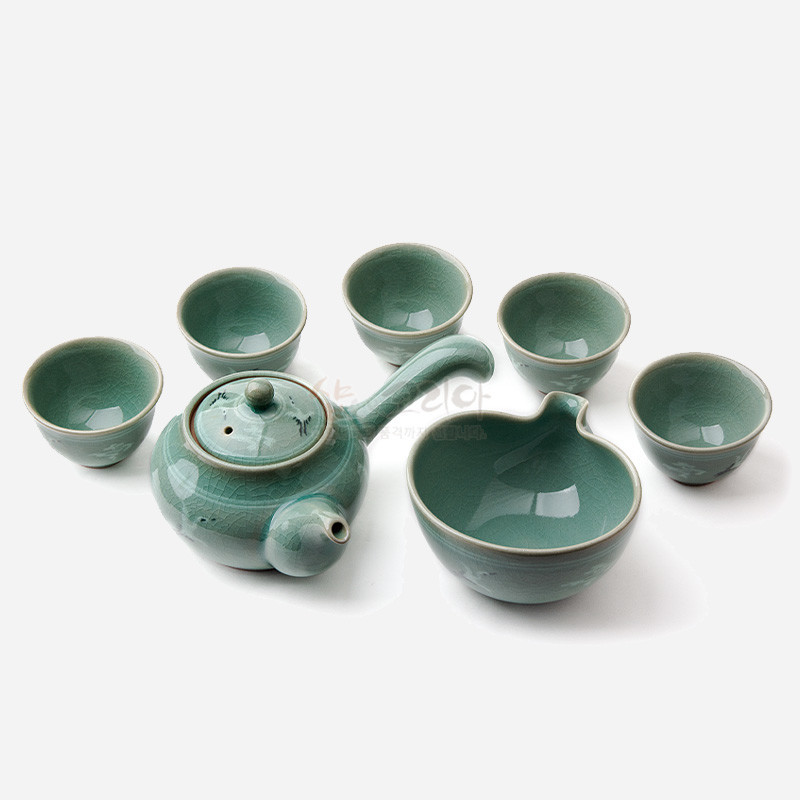
A 5-person dagi configuration for group use is a type suited to formal occasions such as hospitality or visit gifts. For example, a configuration with a sufficient number of cups — such as the 전통 다기세트-청자운학 5인 (Traditional Tea Set – Celadon Crane, 5-person) — reads less as a simple souvenir and more as a gift premised on "a setting for sharing tea together." However, because a large configuration requires consideration of the recipient's storage space and frequency of use, it is better suited to official presentations or gifts for institutional or corporate visits than to close personal gifts.
This type of formal tea set is not the only correct answer; rather, it is a useful reference when the occasion of presentation tends toward the weightier end. Choosing something too idiosyncratic when you do not know the other person's tastes well can make it difficult to use, so it is better to look for patterns that are Korean in character while the colors and forms remain stable. In particular, with overseas buyers or foreign guests, being able to briefly explain the use of the dagi makes the meaning of the gift all the clearer.
The less you know about the recipient's tea preferences, the better a form that fits naturally into daily life
If you know the recipient likes tea but are not sure whether they have formal tea ware, a type with high everyday usability — such as a mug-style dagi or a cup set — is better than a formal tea set. Even with traditional patterns, if the form is familiar, the recipient can easily use it for coffee, herbal tea, or ordinary tea. The important criterion here is not "Is it traditional?" but "Is it something they will reach for without hesitation?"
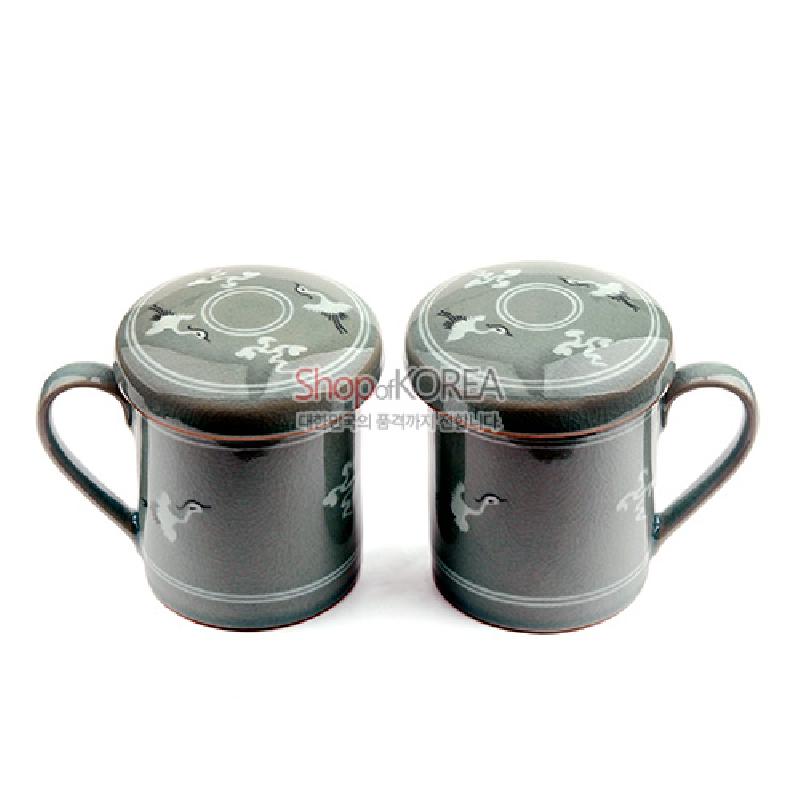
For example, a configuration that combines traditional patterns with the usability of a mug reduces the likelihood that it will end up kept only as decoration. A type such as the 청자 목단당초-머그다기세트 (Celadon Peony Arabesque – Mug Tea Set) conveys a Korean atmosphere while allowing the recipient to use it like an everyday cup, making it natural for a housewarming or personal thank-you gift as well. However, if the gift is for a very formal ceremonial occasion, a mug-style set may come across as somewhat casual, so the weight of the occasion of presentation must also be considered.

Looking at actual reviews of tea-related items, the response "I was looking for something practical yet Korean in feel" frequently resonates in a meaningful way. A gift does not end simply by looking good; the memory lasts longer in the moment when the recipient comfortably brings it out and uses it even 1 or 2 times. For a relationship in which you do not know the other person's tea preferences deeply, choosing a form with broader usability is more reliable than choosing formal tea ceremony ware.
A smaller configuration lowers the sense of pressure and conveys warmth more intimately
For relationships that are relatively close — such as a good friend, a homestay family, or a personal expression of gratitude — 2-person teacups, a cup saucer, or a mug may be more comfortable than a large tea set. A small configuration lowers the weight of the gift while still connecting easily to the habit of drinking tea. In particular, for someone encountering Korean culture for the first time, an object used naturally in everyday life may leave a more lasting impression than overly formalized ware.
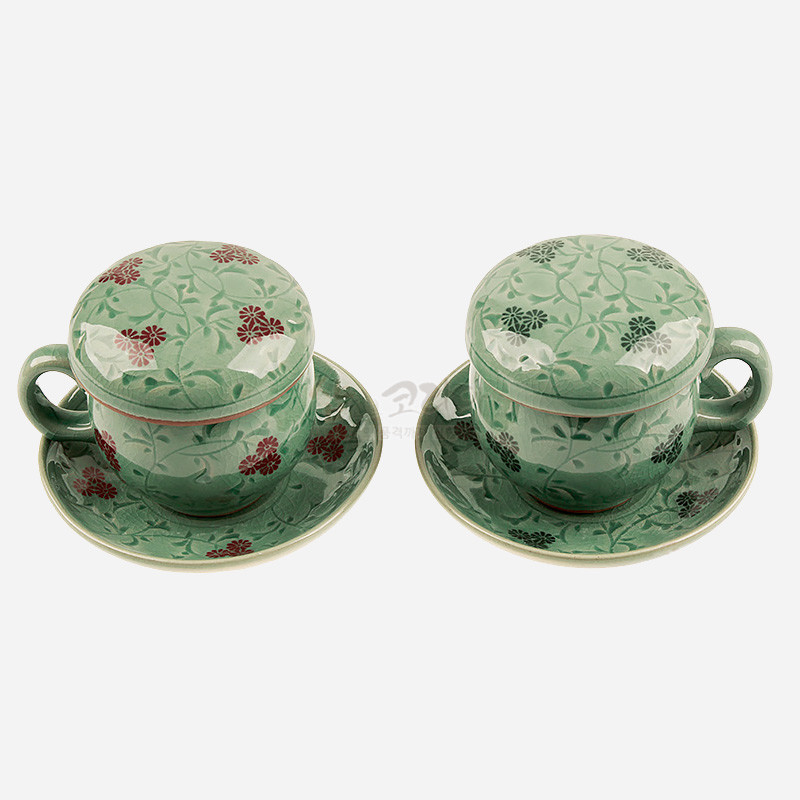
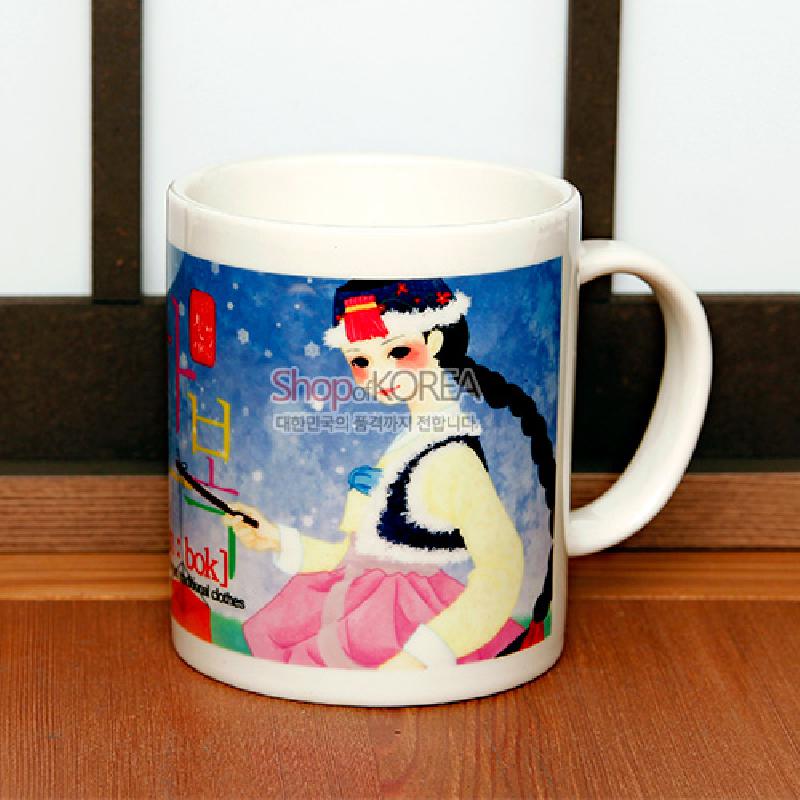
A 2-person dagi cup set or a buncheong (분청, a type of Korean stoneware with a grayish-white slip) style cup is easy to associate with the image of sharing tea together, and is not excessive as a personal gift. However, if the recipient already owns many teacups or prefers a minimalist lifestyle, a gift that adds to the number of cups may feel like a burden. In that case, it is worth comparing options such as a mug with restrained patterns, a tumbler, or a cup saucer — small accessory-style configurations with a clear purpose.
The related products at the end are not a list of definitive answers compiled only from the items described in the main text; they are candidates to compare alongside one another within the same context of Korean tea culture gifts. If you consider the recipient's tea habits, the setting in which tea will be shared, and the degree of formality that needs to be conveyed, choosing a tea ware gift becomes much easier. Rather than leading only with a traditional feel, thinking through the actual space where the gift will be placed and the scene in which it will be used reduces the sense of pressure and makes the meaning of the gift all the clearer.