Shopofkorea guides
Low-Key Korean Small Gifts to Give on Your First Day at a Homestay Abroad
Official product names are shown in Korean. Product pages are in Korean; prices are in South Korean won (KRW).
On the first day of a homestay, what matters more than size or price is whether a family you have just met can receive the gift comfortably. Because you do not yet know their tastes or lifestyle, it is safer to be cautious about elements that vary greatly from person to person—such as food, scent, and size—and to look first at small souvenirs that can be used together around the house or shared casually.
- When giving something for the whole family: items that are easy to place in shared spaces such as the dining table, refrigerator, or entryway
- When the host has children: things that can be shared without pressure, such as stationery or hands-on novelty items
- When you want to leave a Korean impression: designs that are easy to explain briefly, such as traditional patterns, Hangeul (the Korean alphabet), or hanbok (traditional Korean clothing) imagery
- When you have a lot of luggage or a long journey: types that are hard to break and small in volume
Gifts That Feel Natural to Hand Over at the Dinner Table on the First Day
On the first day of a homestay, you will usually give your gift before unpacking or during a brief exchange of greetings. If the item is something the whole family can naturally receive together, the pressure of having to tailor it to just one person is reduced. Types that can be used in shared spaces around the house—such as coasters, small table accessories, and memo magnets—tend to work well. In particular, if the design is something you can explain right there at the dining table or in the living room, it can also serve as a good starting point for a short conversation.
For example, a type like 전통컵받침-한복캐릭터 (traditional coaster featuring hanbok characters) leads with practicality, and the hanbok imagery layered on top makes it easy to convey a Korean atmosphere. Even if the recipient does not use the coaster, it is not much of a burden to store, and it is the kind of thing anyone in the family can use without it feeling out of place. However, if the material is fragile or the tableware is bulky, you need to consider both the risk of breakage during transit and the weight it adds to your luggage.
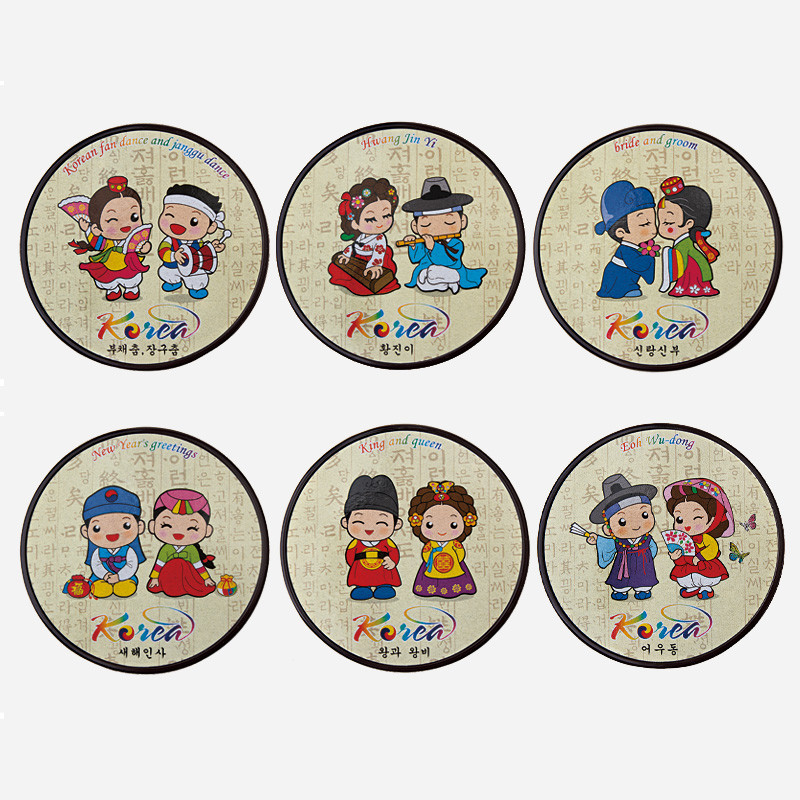
A gift like this is perfectly fine to introduce simply as "a small everyday item I brought from Korea." Rather than explaining its significance at length on the very first day, handing it over with a casual "feel free to use it whenever" puts the other person at ease. Reviews note that coaster-type gifts prepared for foreign friends were satisfying because they were easy to hand over casually and had practical value. In a setting like a homestay, where a relationship is only just beginning, that kind of unassuming quality is actually an advantage.
The Less You Know About the Host Family, the Better It Is to Reduce Taste-Related Pressure
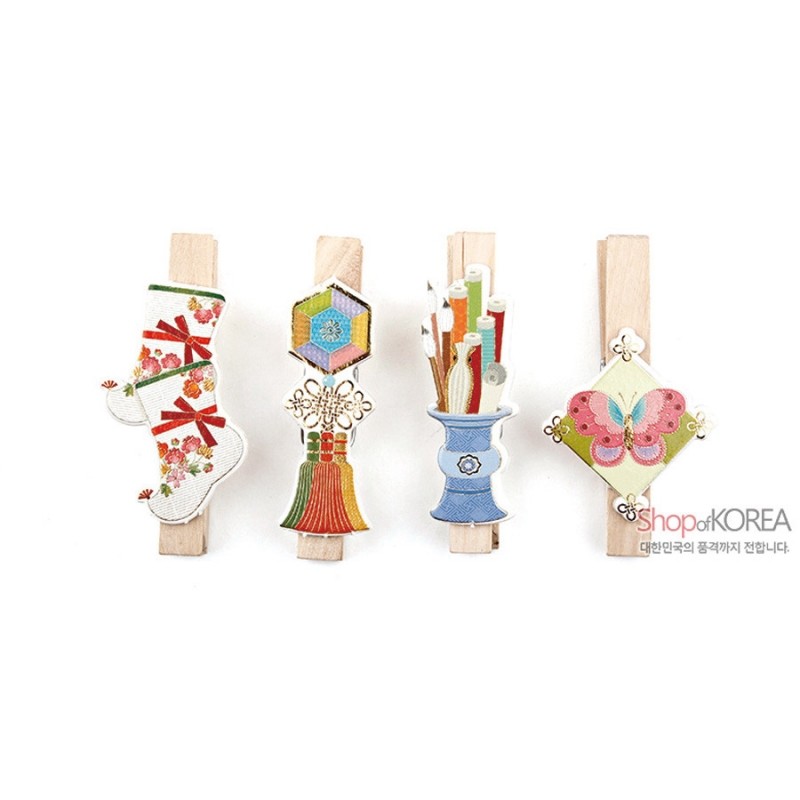
When you do not know the family members precisely, it is safer to look at small everyday items rather than gifts like scented candles, accessories, or clothing that depend heavily on personal taste or body type. In particular, magnets or clip-type items used on refrigerators, desks, or memo boards can be put to use even without a specific hobby. Even if the household already has something similar, it is easy to add another, and when not in use it is not much of a burden to store. For a first-meeting gift, "something convenient to have around" feels more natural than "something that must be used."
A type like 민속 메모자석집게 (folk-style memo magnet clip) is small and light, making it easy to pack in your outbound luggage, and the host family can use it to attach memos to the refrigerator or a bulletin board. It has a clear purpose beyond mere decoration, and its traditional imagery briefly communicates that it is a Korean gift. There are also reviews from people who chose it as a casual gift for foreigners specifically because of its practicality and unimposing size, which aligns well with the standard for a first-day homestay greeting.
However, the usefulness of a magnet-type item can vary depending on the structure of the house or the material of the refrigerator. It is therefore better to describe it as a small item that can also be used to clip memos, rather than saying "stick it on the refrigerator." Framing it this way allows the recipient to interpret the gift's purpose broadly, and it also reduces any worry they might feel about not being able to use it.
When a Student Is Giving the Gift Directly, Stationery That Is Easy to Share Works Well
If the person going on the homestay is a student, stationery that feels natural to hand over directly often works better than something too formal. Small, easy-to-explain items like ballpoint pens, bookmarks, and postcards are good for sharing not only with the host parents but also in households with children. In particular, sets made up of multiple pieces can be received together by the family even if you do not know the exact number of members, which helps create a relaxed atmosphere on the first day. Stationery also carries little pressure as a way to bring up topics like school life or travel.
A type like 한국문화4종 책갈피+볼펜세트 (Korean culture 4-piece bookmark and ballpoint pen set) combines the familiar uses of a writing instrument and a bookmark with Korean imagery, so explanations do not drag on when meeting someone for the first time. It connects naturally both to people who read books and to those who use writing instruments at school or in an office setting. Another advantage is that it does not come across as a gift focused on a single person, making it easy to share with the family or the host's children.

When choosing stationery, it is better to avoid designs that look too toy-like or, conversely, so heavily decorative that they are difficult to actually use. The standard is whether it has Korean patterns or imagery while still being genuinely usable. If you also prepare postcards, it is fine to write a short message of thanks on one, but there is no need to create an atmosphere that calls for a long letter from the very start. On the first day, a gift that conveys your feelings while remaining easy for the other person to accept without pressure is just right.
A Korean Impression Lasts Longer When the Explanation Is Short
When choosing a Korean-style gift, it helps to check whether the "traditional" feel is clear while also having visual elements the other person can grasp immediately. Subjects that can be introduced briefly—such as Hangeul, hanbok, minhwa (Korean folk painting), Seoul scenery, and samulnori (traditional Korean percussion ensemble)—leave an impression even without a long conversation. Conversely, items whose value can only be conveyed through a detailed explanation may feel a little heavy on the first day. Since the relationship has not yet grown close, something whose atmosphere comes across the moment it is seen is more comfortable.
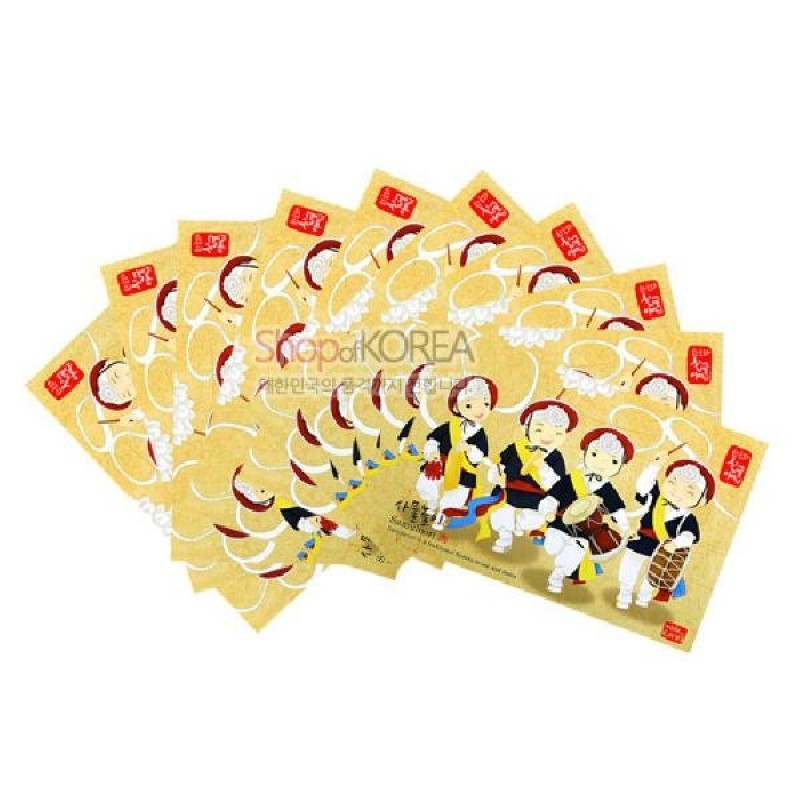
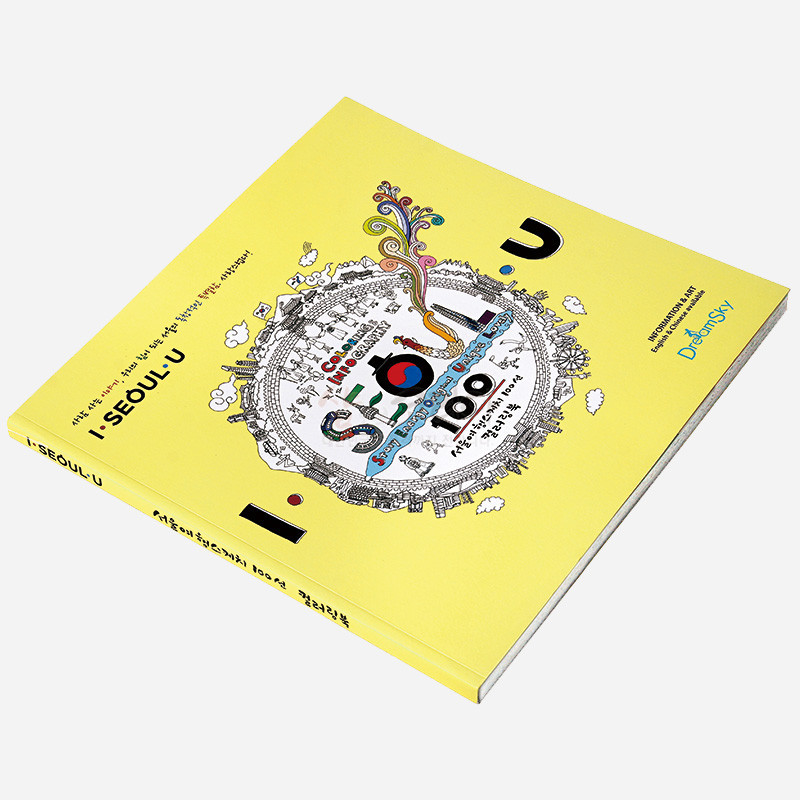
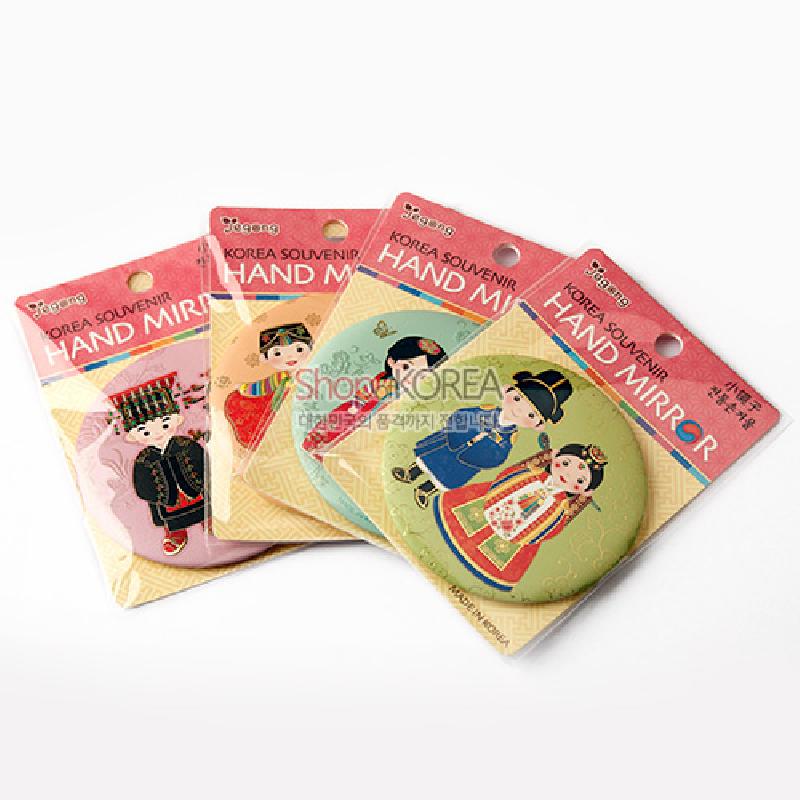
For example, a tumbler featuring hanbok imagery, a mug printed with Hunminjeongeum (the original document proclaiming Hangeul), Seoul travel sketch coloring paper, and a bundle of samulnori postcards all draw on Korean subjects, but their uses and atmospheres differ. The tumbler and mug are closer to everyday household items, while the postcards and coloring paper are closer to conversation starters or hands-on activities. If the host family has young children or teenagers, types that can be enjoyed together—such as coloring sheets or postcards—are also worth considering. However, for tableware and cups, it is a good idea to check packaging and volume together to make sure they will not break in your luggage.
Knowing What to Avoid Makes Choosing a Gift Much Easier
The most important thing to be careful about with a first homestay gift is giving something the other person finds difficult to decline. Items that look too large or expensive can create a sense of obligation regardless of your intention to show gratitude, and food may not be suitable depending on allergies, religion, or dietary habits. Products with a strong scent, products that come into direct contact with the body, and items that require a specific size are also best approached with caution on the first day. In a relationship where you are meeting for the first time, how easy the gift is to accept matters more than how distinctive it is.
The related products at the end are better viewed not as a fully detailed list covered in this article, but as candidates to compare alongside one another for the same first-day homestay greeting situation. The most suitable type will differ depending on whether it is for the whole family, whether a student is handing it over directly, and how strong a Korean impression you want to leave. Rather than picking one product name as if it were the definitive answer, checking size and usability, ease of explanation, and the recipient's potential sense of burden in that order will make the direction for a first-day greeting gift much clearer.