Shopofkorea guides
How to Choose Korean Culture Gifts That Are Easy to Explain to Foreign Children
Official product names are shown in Korean. Product pages are in Korean; prices are in South Korean won (KRW).
When choosing a gift that introduces Korean culture to a foreign child, it is better to ask "Can the child understand or touch it right away?" before asking "Is it Korean enough?" Even if a gift features subjects like hanbok (traditional Korean clothing), Hangeul (the Korean alphabet), Seoul, or samulnori (traditional percussion ensemble), if the explanation runs too long it can feel more like studying than receiving a gift. Breaking the decision down by the child's age, the setting in which the gift will be given, and whether the child can actually use it or continue with it as play afterward makes the choice much easier.
- For young children: brightly colored coloring and sticker items that allow direct participation
- For elementary-school age: stationery featuring subjects like hanbok, Hangeul, and Seoul that can be explained with a short story
- For classroom or exchange programs: bookmarks, ballpoint pens, and pencil sets that are easy to distribute to multiple children
- For homestay or visit gifts: small, lightweight souvenirs with a clear occasion for use
Gifts That Let Children Encounter Korea Through Coloring
For a child who is not yet ready to understand the symbols of Korean culture in detail, activity comes before explanation. When there is a process of coloring, sticking, or choosing, a short remark like "This is something you can see on a trip to Korea" is easy for the child to take in naturally. Items that can be touched with the hands are less intimidating than objects meant only to be looked at like decorations, and they also make it easier for a parent or teacher nearby to keep the conversation going.
For example, a type such as 컬러링페이퍼-한국여행 (Korea Travel Coloring Paper) allows a child to slowly encounter Korean places and atmospheres while filling in colors. One advantage is that the person giving the gift does not need to explain all the background knowledge; instead, they can have a conversation by pointing to the elements in the picture one by one.
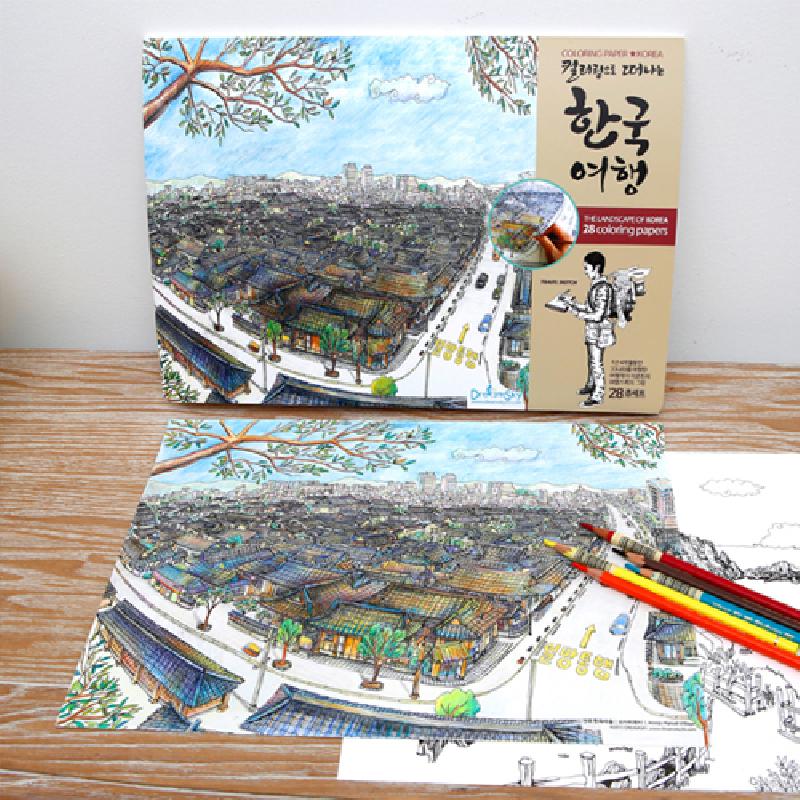
When choosing this type of item, it is better to look for a bright, engaging composition that the child will find interesting first, rather than one with overly complex illustrations or far too many subjects that require explanation. In group activities in particular, the experience of the gift extends to the process of showing each other the finished results, so coloring and decorating products that leave a pretty finished piece are a good fit. However, if the paper is too thin or easily damaged, it may be difficult to store during transit, so please also think about how the gift will be delivered.
Korean Patterns That Stay in Memory Through a Short Story
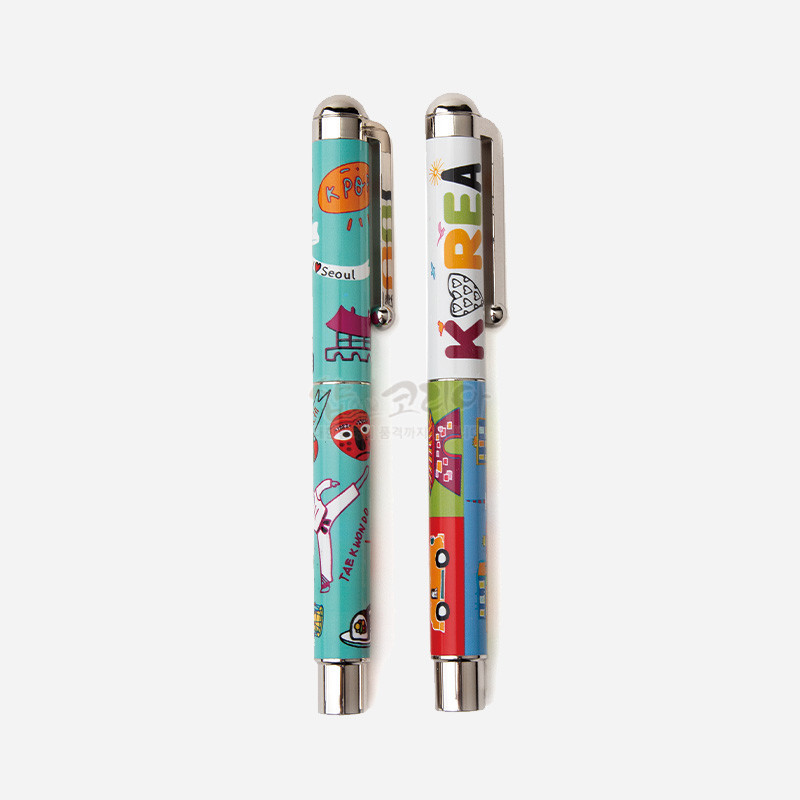
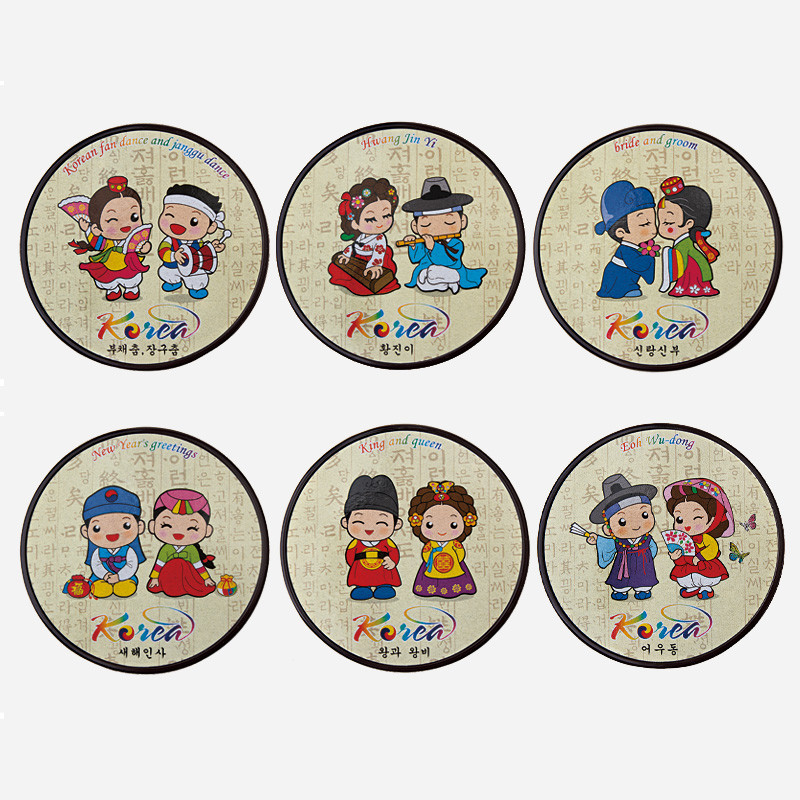
For elementary-school-age children, subjects that can be explained in one or two sentences — such as "This is a traditional Korean outfit" or "This is an image that represents Seoul" — work well. At this age, something simply cute already gets a good response, but if a small memorable story is attached to the gift, the meaning of the cultural introduction comes through more fully. Check whether the item includes elements that catch the eye immediately, such as hanbok, saekdong (multicolored stripes), a palace, Hangeul, or a city image.
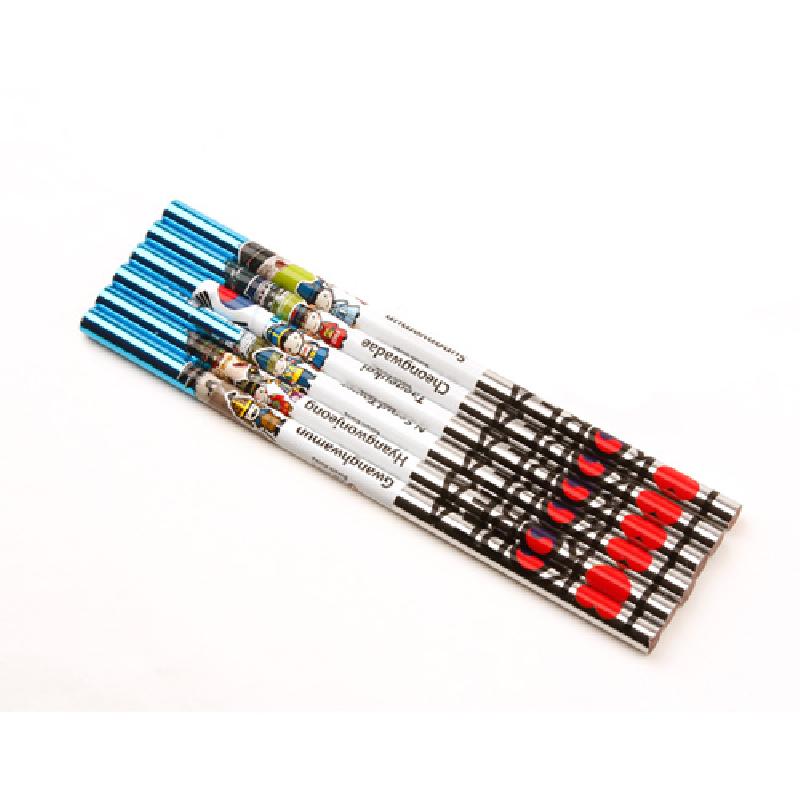
A type such as 캐릭터 서울과 문화 볼펜세트 (Character Seoul and Culture Ballpoint Pen Set) is well suited for linking explanation and use together, as it places Korean imagery within the familiar form of a writing instrument. Another advantage is that when a child actually uses the pen at school or at home, it is easy for them to remember it as "the pen I received from Korea."
However, when choosing products that include characters, it is better to avoid designs where the Korean elements are too small to notice, or conversely, where the cultural explanation looks overly complicated. For a child, a sentence along the lines of "This is a cute take on the clothes and places people often think of when they think of Korea" is more natural than an accurate historical explanation. Bright character products are fine as light gifts, but if they look too much like toys, the feel of a cultural souvenir can be weakened, so it is good to look for a balance.
School Supplies That Are Easy to Explain Even When Received by Many Children
In situations where gifts are distributed to multiple children — such as in a classroom, a homestay gathering, or an international exchange program — size and quantity preparation are important. Rather than giving one child a deeply considered gift, stationery that everyone can receive equally and use right away is easier to manage. Items such as bookmarks, ballpoint pens, pencils, and postcards are light and carry little risk of breakage, making them convenient to transport and hand out, and they place less pressure on the giver even when children have different tastes.
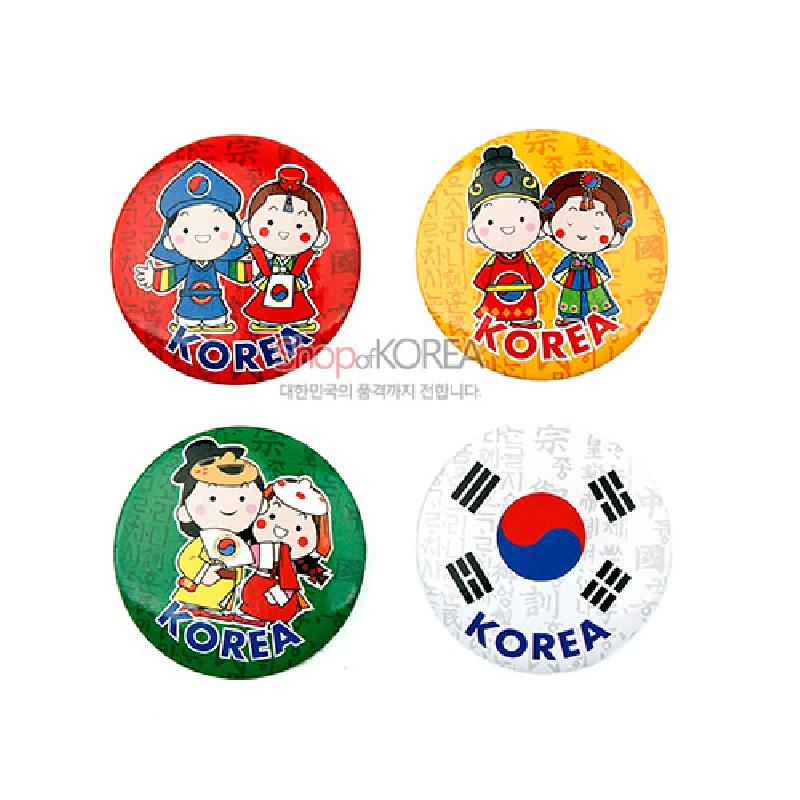
A type such as 아동색동한복4종 책갈피 (Children's Saekdong Hanbok 4-Type Bookmark) is well suited for introducing saekdong (multicolored stripes) and hanbok at a child's eye level. Because the occasion for using a bookmark is clear, it is easy to explain as "something you tuck into a book while you read," and the bright colors of saekdong can naturally convey the atmosphere of traditional Korean dress.
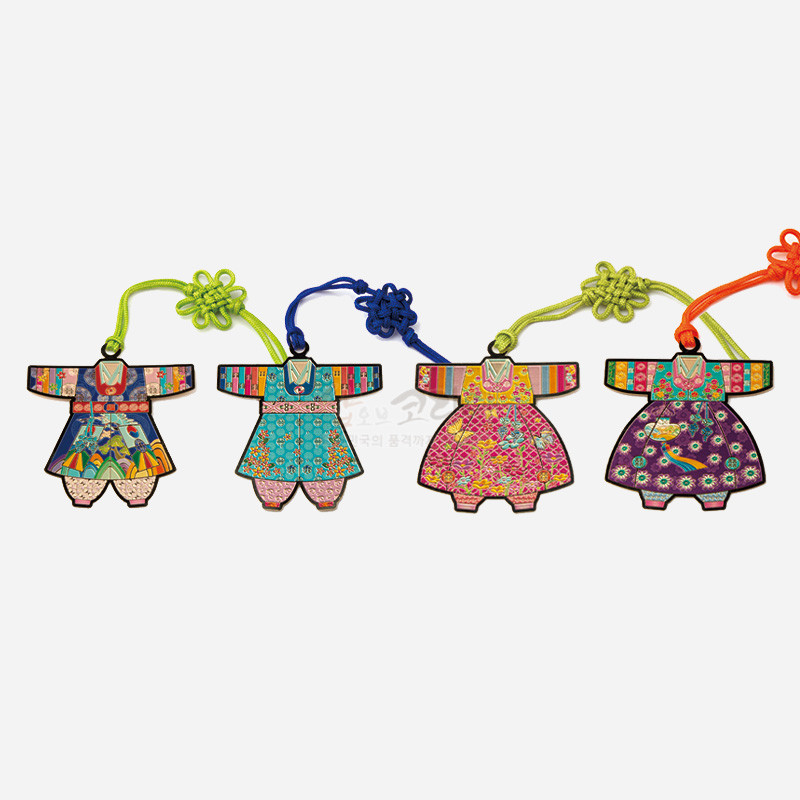
For group gifts, it is better to settle on a short common theme — such as "the colors of Korean clothing," "traditional patterns," or "scenes of Seoul" — rather than giving a long explanation of a single product. Actual reviews confirm that small souvenirs have been well received as a low-pressure way to introduce Korea to foreign visitors. However, items with very small parts or things that can easily be lost may not be suitable for younger age groups, so please also consider the child's age and how the item will be stored.
Visit Gifts That Are Remembered Long After They Reach the Desk

Gifts for a home visit or homestay are often seen by the parent or guardian as well as the child. In this case, something that can be used naturally on a desk, in a pencil case, or between books is better than something that looks too much like educational material. Even if a product contains Korean cultural symbols, if it can be used in daily life the gift will not end up sitting only inside a display cabinet.
A type such as 한국문화4종 책갈피+볼펜세트 (Korean Culture 4-Type Bookmark + Ballpoint Pen Set) includes both bookmarks and writing instruments, making it relatively easy to explain to both the child and the adult watching alongside. An introduction along the lines of "school supplies featuring Korean patterns and cultural images" is sufficient, and there is room for the recipient to be reminded of it again as they use the items.
In this kind of situation, lightweight and practical souvenirs are safer than fragile decorations or bulky objects. It is also important to consider whether the item is easy to store after wrapping, especially when giving it to a family with a long travel itinerary or a lot of luggage. The related products at the end are not a definitive list of answers limited to the examples mentioned in the body; they are bright, accessible candidates that can be compared together in the same gifting situation. Choosing based on the child's age, the length of the story you are able to tell, and the setting in which the child will actually use the item after receiving it will allow you to convey Korean culture more naturally.