Shopofkorea guides
A Korean Gift Selection Guide for Teacher's Day: Expressing Heartfelt Gratitude
Official product names are shown in Korean. Product pages are in Korean; prices are in South Korean won (KRW).
Choosing a Teacher's Day gift is a delicate matter precisely because it is about conveying genuine feeling. A gift that is too modest may come across as perfunctory, while one that is too grand can place an unwanted burden on the teacher receiving it. Breaking the decision down by your relationship with the teacher, where the gift will be presented, and how long it will last makes the choice considerably easier.
- For a homeroom teacher or tutoring-center teacher: prioritize everyday practicality and an unimposing size
- For a long-standing mentor (eunsa): prioritize keepsake quality and a sense of formality
- When several people are giving together: prioritize a unified look and ease of presentation
- When presenting in person: prioritize packaging and a brief handwritten message
Gifts That Feel Natural in the Classroom and the Teachers' Room
When presenting a gift directly at a school or tutoring center, it is important to minimize any sense of awkwardness at the moment of giving. An item whose purpose the teacher can grasp immediately, and that can be used naturally at a desk or in the teachers' room, keeps the expression of gratitude from appearing excessive. Everyday practical items such as cups, tumblers, and writing instruments suit this kind of occasion well. That said, it is generally better to avoid pieces with strongly personal color choices or overly decorative compositions.
A café tumbler featuring a seodang (서당, traditional village schoolroom) scene, for example, is a type of gift that captures both the meaning of Teacher's Day and everyday practicality at once. Because the illustration explains the theme, the context of gratitude comes through without any lengthy explanation, and the teacher faces little pressure when using it in daily life. The gift itself is not large, so it is also comfortable for a student or parent to present in a public setting.

For this kind of practical gift, it is more useful to ask "Can it be used every day?" and "Does it explain itself naturally at the moment of giving?" than to focus on any single specific product. Tucking in a small thank-you card or a short written message ensures that the sentiment comes through before the object does. Reviews have also noted that adding even a brief line of text made the care and effort feel more clearly communicated.
For a Long-Standing Mentor: Something That Stays on the Desk with Quiet Formality
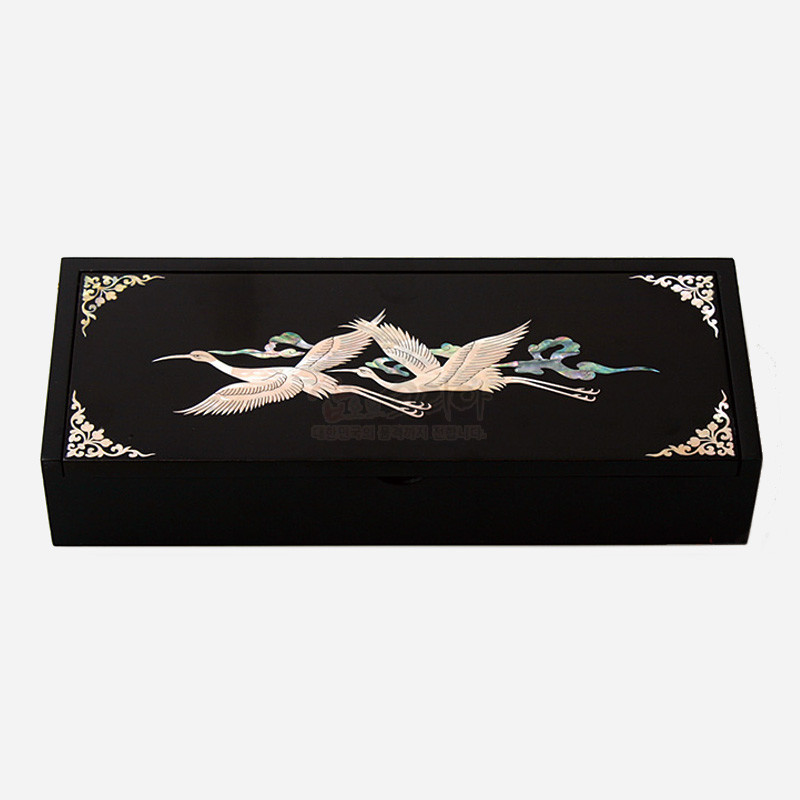
For a mentor you have kept in touch with after graduation, or a teacher you are visiting privately in their office, a somewhat more understated gift is appropriate. In this case, rather than frequency of use, you should consider the impression the item makes when kept, the atmosphere it creates sitting on a desk, and the sense of formality conveyed by traditional patterns. Overly decorative objects risk clashing with personal taste, so items with a clear function—such as stationery or small desk organizers—are the safer choice.
A pilham (필함, writing-instrument case) featuring sanggam (상감, inlay) patterns is one type of gift that can add a quietly formal touch to an expression of gratitude. Because it is used to organize pens and small stationery items, it connects naturally to a teacher's work space, and the traditional motif lends it a commemorative quality. It strikes a good balance when you want to give something lasting but feel that a purely decorative object would be too much.
That said, with a keepsake-style gift like this, you should first consider the degree of closeness in the relationship. It may feel somewhat heavy for a teacher you are meeting for the first time, or for a tutoring-center teacher; it is more natural when given to a close mentor or in a setting where you are expressing personal gratitude. Keep the packaging neat, and rather than writing a long message, it is better to put the reason for your gratitude into one or two specific sentences.
When Giving to Several Teachers: Keep the Same Tone Throughout
When you need to prepare gifts not only for a homeroom teacher but also for subject teachers, tutoring-center teachers, and arts or physical education instructors all at once, matching the size and tone of the gifts is important. If one teacher's gift appears noticeably larger or more special than the others, it can feel awkward for both the giver and the recipients. In such cases, items like bookmarks, ballpoint pens, or small stationery sets—easy to purchase in the right quantity and simple to hand over—are a good fit.
A set such as a Korean-culture bookmark and ballpoint pen is one example of a combination that holds both practical and commemorative value. This is because it connects naturally to a teacher's everyday life of reading, organizing materials, and writing. Even when the same gift is prepared for multiple people by the same standard, its meaning does not appear diminished, and adjusting only the individual packaging or card slightly is enough to convey a distinct personal sentiment to each recipient.

When preparing multiple gifts, the manner of presentation matters more than the item itself. Confirming each teacher's name accurately and writing a slightly different short message of thanks for each one ensures that even identical gifts do not come across as perfunctory. Reviews have also noted that even a small gift felt thoughtful and carefully done when the packaging was tidy and the personal effort was evident.
When You Want to Keep It Low-Key: Add Heart to a Small Practical Item
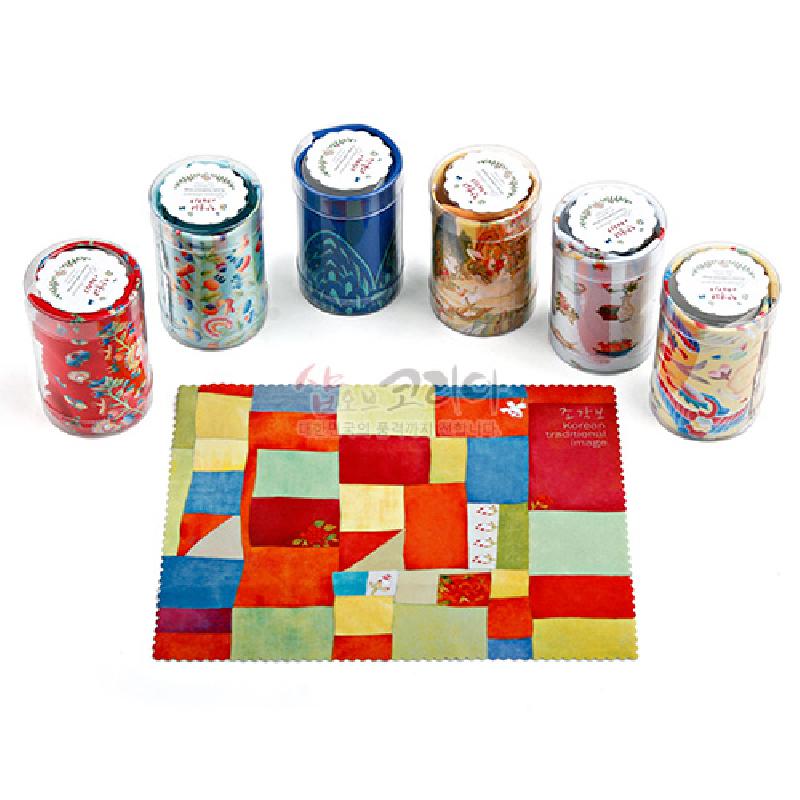
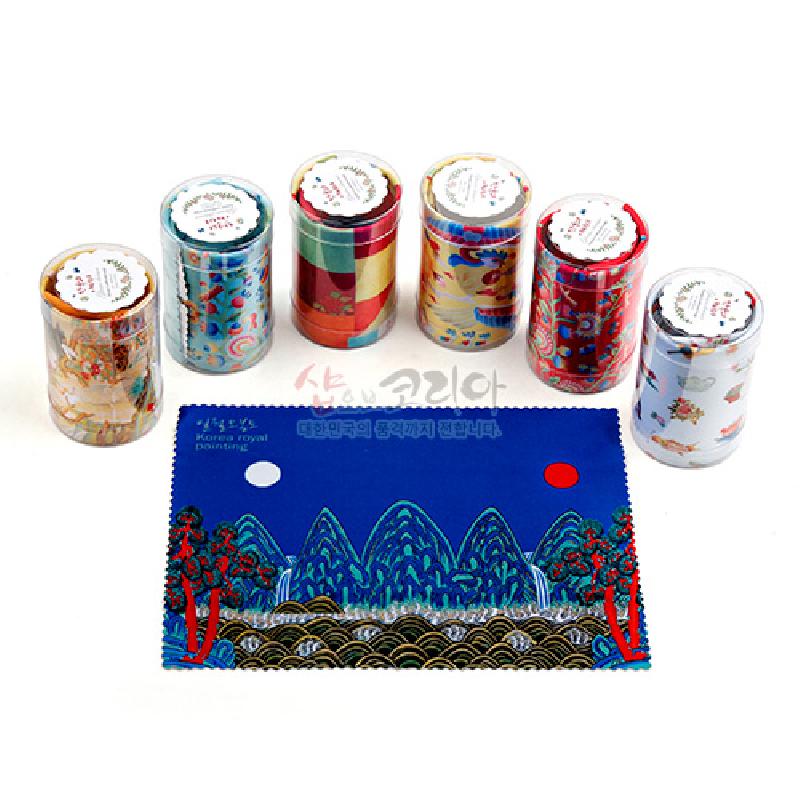
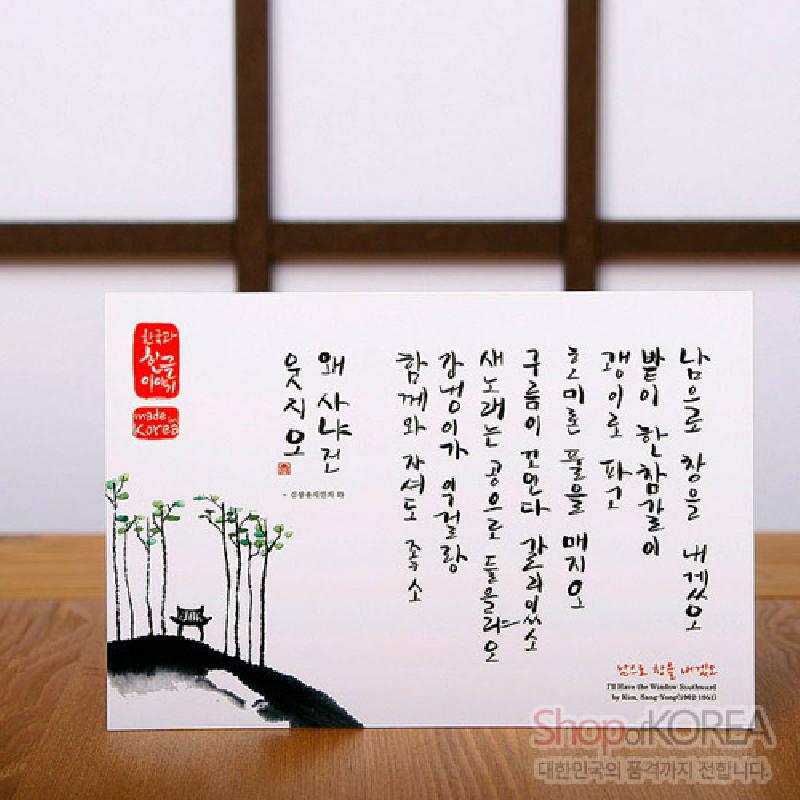
When the relationship is not particularly close but you still want to express your gratitude, a small practical item is the comfortable choice. Light, easy-to-store objects such as a glasses-cleaning cloth, a postcard, or a ballpoint pen reduce the sense of obligation the teacher may feel upon receiving them. What matters here is not the size of the gift but whether the reason for your gratitude comes through clearly. Adding a specific sentence—such as "Thank you for guiding me throughout the year"—is enough to make even a small gift feel fully respectful.
Small accessories featuring traditional patterns have the advantage of adding a Korean aesthetic without appearing excessive. Motifs such as bonghwang (봉황, the Korean phoenix), jogakbo (조각보, patchwork wrapping cloth), and ilwolorobongdo (일월오봉도, the sun-moon-and-five-peaks screen) add meaning to the gift while keeping the object itself comfortable for everyday use. Even so, rather than guessing at overly personal preferences, it is safer to prioritize neutral colors and clear functionality.
The related products listed at the end are not simply a repeat of the items described in the main text; they are additional candidates worth comparing for the same Teacher's Day gratitude situation. Starting by asking whether your relationship with the teacher is close, whether the setting is public, and whether a lasting keepsake is needed will keep your selection criteria steady. A gift comes across most naturally not when it is large, but when the level of imposition, the usefulness, and the message all fit the situation together.